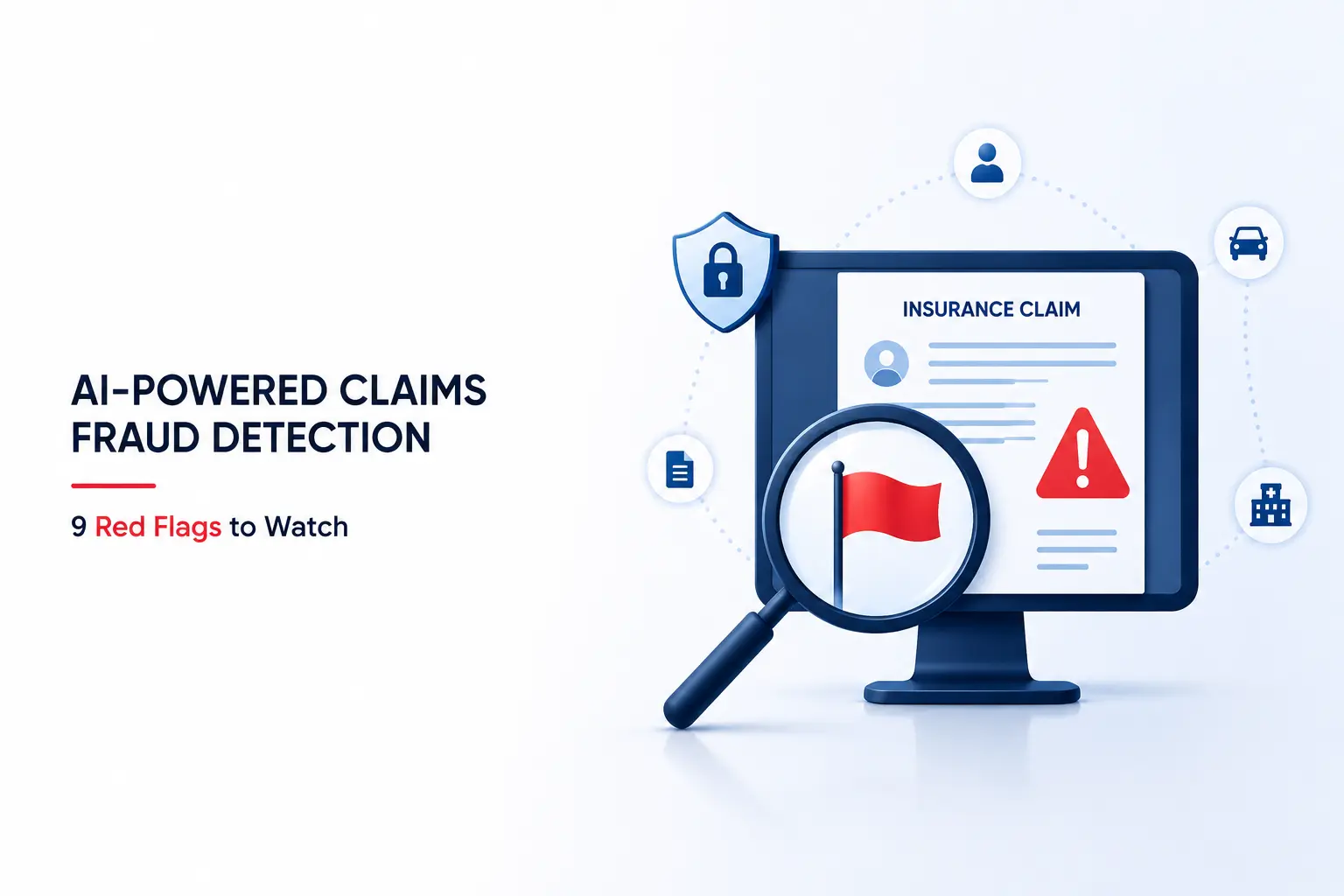

As enterprises accelerate their digital transformation journeys, the complexity and scale of fraud continue to evolve. Financial institutions, insurers, healthcare organizations, and large enterprises are increasingly facing sophisticated threats that traditional rule-based systems were never designed to address.
From synthetic identities and document manipulation to coordinated fraud networks and complex transaction patterns, modern fraud requires a new generation of intelligent risk management capabilities.
The Shift from Rule-Based to AI-Driven Risk Intelligence
Conventional fraud detection models rely heavily on predefined rules and historical patterns. While effective for known scenarios, they often struggle to identify emerging threats and can generate high volumes of false positives, increasing operational costs and investigation efforts.
Generative AI introduces a more adaptive approach by analyzing vast volumes of structured and unstructured data, understanding contextual relationships, and continuously learning from evolving behaviors.
This enables organizations to move beyond reactive controls and towards predictive risk management.
How Generative AI Strengthens Fraud Detection
- Generative AI enhances enterprise risk functions by enabling:
- Real-time detection of suspicious transactions and activities
- Early identification of emerging fraud patterns and organized fraud networks
- Behavioral analytics to uncover hidden anomalies
- Intelligent document verification and tamper detection
- Context-aware decision-making that reduces false positives
By augmenting traditional fraud controls with AI-driven intelligence, organizations can improve detection accuracy while allowing risk teams to focus on high-priority investigations.
Smarter and Dynamic Risk Assessment
Effective risk management requires continuous evaluation of customer, operational, and transactional data.
Generative AI enables enterprises to build dynamic risk profiles by combining historical records, behavioral signals, external data sources, and real-time events.
The result is improved enterprise decision-making across:
- Underwriting and policy issuance
- Claims management
- Credit and financial risk evaluation
- Regulatory compliance and governance
- Third-party and vendor risk monitoring
Organizations can reduce manual effort, accelerate business processes, and strengthen overall operational resilience.
Real-Time Anomaly Detection with Risk.ai
At Consint.ai, Risk.ai leverages advanced AI and Generative AI technologies to deliver intelligent fraud detection, risk assessment, and anomaly detection across enterprise ecosystems.
Risk.ai continuously analyses transactions, documents, claims, and customer interactions to identify unusual patterns as they emerge. Its intelligent models provide automated alerts, actionable insights, and risk prioritization, enabling organizations to respond with greater speed and confidence.
By integrating AI-driven risk intelligence into core business processes, enterprises can strengthen governance, minimize financial losses, and enhance stakeholder trust.
The Future of Enterprise Risk Management
The future of fraud prevention lies in systems that can learn, adapt, and anticipate.
Generative AI is not simply enhancing fraud detection capabilities—it is transforming the way organizations manage enterprise risk. Businesses that adopt intelligent, proactive risk frameworks will be better positioned to protect their operations, maintain regulatory compliance, and build resilient digital ecosystems.
With platforms like Risk.ai, organizations can transition from reactive investigations to predictive risk intelligence, creating a more secure, efficient, and future-ready enterprise.
How is your organization preparing for the next generation of AI-driven fraud and risk management?
~Team Consint